The Difference Between Counselling and Psychotherapy

The terms “Counseling” and “Psychotherapy are often used interchangeably. There are some similarities between the two but also some distinct differences. Both counselling and psychotherapy address emotional and mental health challenges. Both require the practitioner to be part of a regulated professional body subject to legal and ethical standards that include confidentiality and appropriate boundary setting. Both can be provided by a trained counsellor, social worker, psychotherapist or psychologist. Both aim to help people look at their life, identify unhealthy thoughts, emotions and behaviors, shift perspectives and take steps towards a desired outcome. Both take into consideration cultural contexts that may influence the therapeutic approach
Short term talk therapy usually lasting between one week to 6 months.
Focuses on current problems and situations.
Addresses specific situations and behaviors
Involves guidance, support and education that help people identify and find solutions to their current situation.
Concentrates on practical strategies and skills that help people achieve their identified goals.
Core therapeutic approach is talk therapy.
Key Characteristics of Counselling
Key Characteristics of Psychotherapy
Extends over a long period of time lasting months to years, continuous or intermittently.
Focuses on chronic or recurrent problems.
Addresses core issues, experiences, unconscious motives, and deep-seated emotional issues to understand the root causes of present challenges (recommended for individuals struggling with chronic mental health disorders, such as depression, anxiety, or trauma).
May involve multiple therapeutic approaches including talk therapy, cognitive behavioral therapy, somatic therapy, etc.
As a social worker, I incorporate both counselling and psychotherapy to provide the most effective treatment and the best possible outcomes. I look forward to hearing from you soon!

Women have unique physical and mental health challenges and benefit from services that are uniquely designed for them. We offer a safe space for you to tell your story, share your goals and dreams and heal your hurts so that you can conquer the world.
We work with women who are experiencing anxiety, depression, grief, loss and other symptoms resulting from:
Anger
College and career challenges
Work-Life Balance
Cultural identity and acclimation
Spiritual or faith-based concerns
Self-esteem and identity issues
Infidelity and betrayal trauma
Domestic violence
Perinatal and new mom overwhelm
Parenting
Infertility issues
Post adoption adjustment
Birthmother post placement care
Menopause and peri-menopause
Aging
Therapy for Women

Couples Counselling
Regardless of what stage your relationship is in, there is always room for growth. Couples counseling helps partners address relationship issues, improve communication and trust and resolve conflicts.
The success of any relationship is determined by the commitment and investment of the people involved. It’s not about blaming the other person, but more about what role you play in the success (or failure) of the relationship.
Couples counselling addresses a variety of issues including but not limited to anger and control, narcissism, infidelity, emotional distancing, communication differences, spiritual compatibility, problem solving, grief and loss and more.
We incorporate parts of cognitive behavioral therapy, the Gottman method and Emotion Focused Therapy in each session and follow the Psychodynamic model that considers the past of each person in the relationship and how it may be influencing present circumstances.
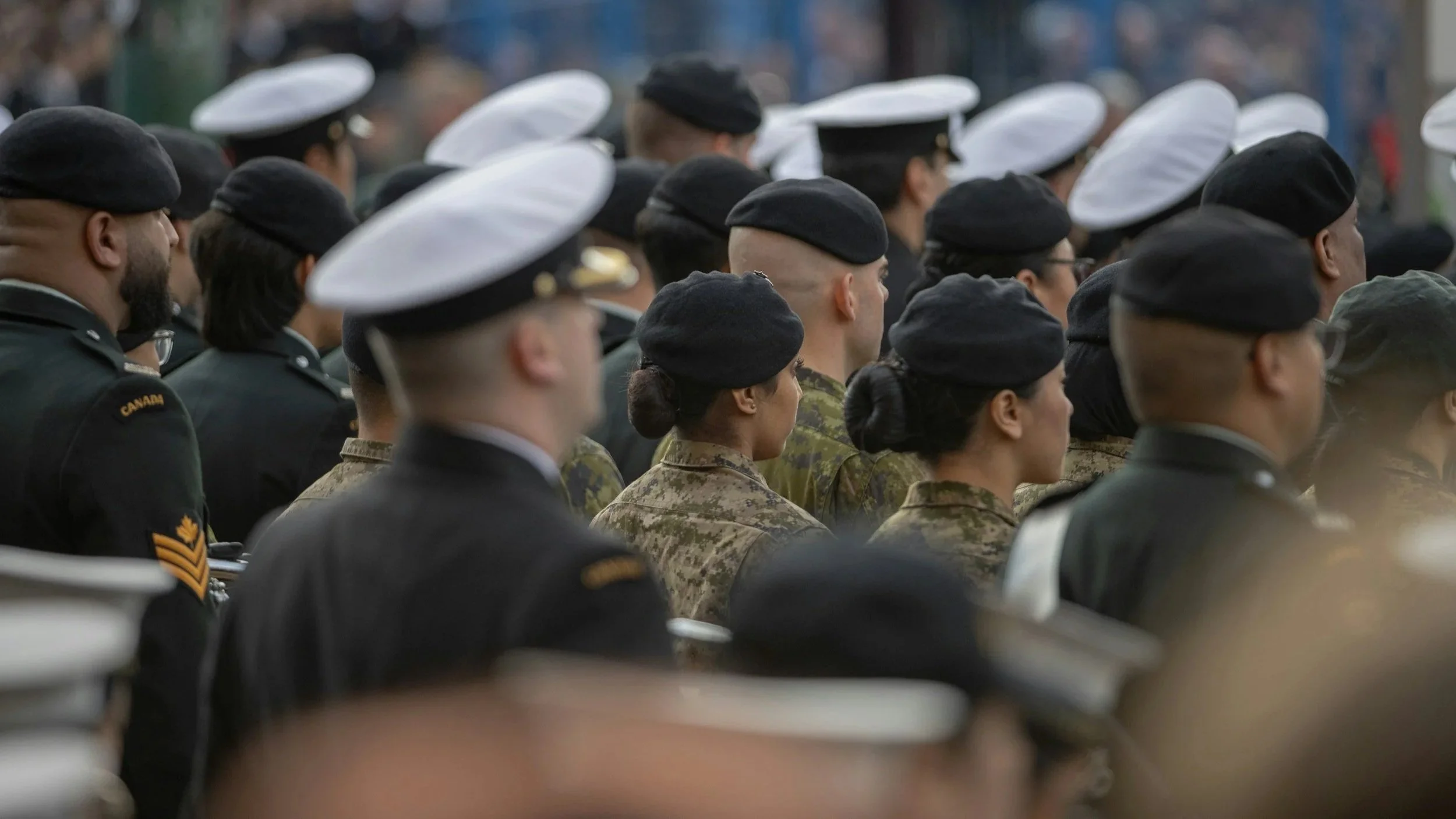
Women in Military and RCMP
If you are a woman who has served in the military, you know that there are challenges even when the uniform comes off. Counselling and psychotherapy specifically address the unique experiences of military women, both in active service and those who have already retired including:
Gender bias
Managing work and home life
Military harassment and sexual assault
Trauma and PTSD
Returning to civilian life
We offer validation and support as you process your experiences, guidance as you grapple with your identity and heal at your own pace and on your own terms.

Trauma and PTSD
Trauma is the result of a deeply distressing or disturbing event (or series of events) that overwhelms a person’s ability to cope. While some people recover from trauma over time and with the right support, others can experience Post Traumatic Stress Disorder (from a single event) or Complex Post Traumatic Stress Disorder (from prolonged, repeated trauma experienced over time).
PTSD and CPTSD can have lasting negative effects on a person’s mental, physical and emotional wellbeing. It can also profoundly impact a person’s spiritual or religious life by shattering deeply held beliefs about meaning, safety, justice and the world.
Trauma-informed therapy is a specialized, evidence-based approach that:
ensures physical and emotional safety during sessions,
includes psycho-education to help the client understand their responses to trauma,
encourages client participation, giving them an active role in their care, and
teaches key techniques that include grounding for present moment trauma responses.
There are several different treatment modalities for trauma-informed care. At Collins Legacy Counselling, we utilize Compassion-Focused Therapy, inner-child work and components of Internal Family Systems, EMDR, and Somatic Experiencing as a means to regulate intense emotions and reduce the risk of avoidant and harmful behaviors.
Faith-Integrated Therapy
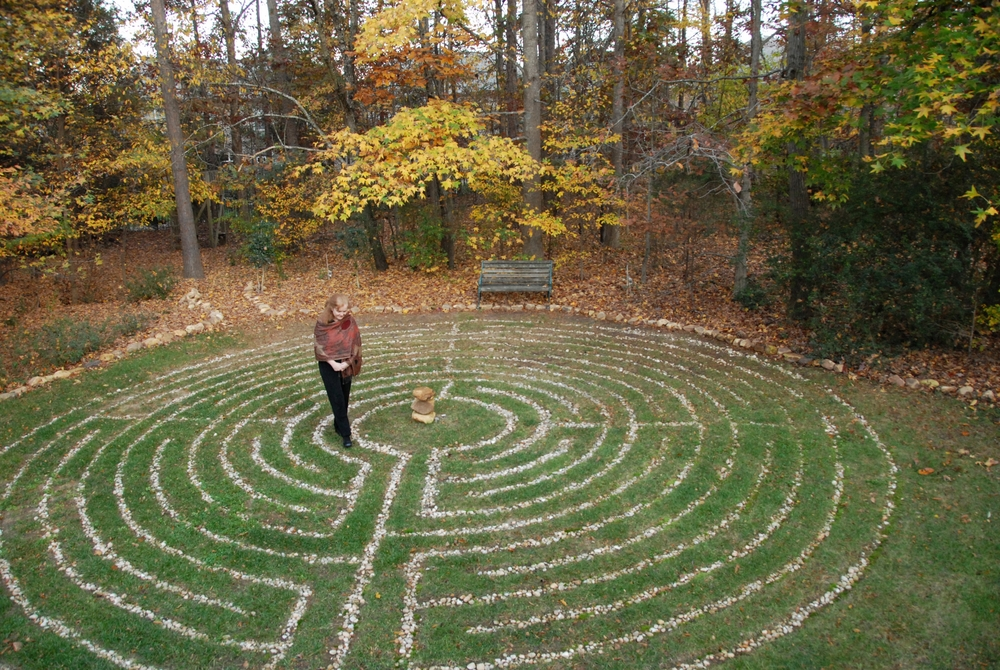
Faith-integrated therapy is for people that want their faith or spiritual beliefs to be part of their healing journey. It’s not about religion—it's about searching for meaning, purpose and a sense of connection to someone or something bigger than oneself. While some people follow an established faith or religion, other’s prefer to engage in spiritual disciplines that make them feel connected to a higher power and to other like-minded people.
Spiritual disciplines can include:
breathwork to stay grounded in the present
involvement in a local place of worship
listening to music that moves you
serving others
prayer
and engaging in activities that make the world a better place.
*I offer counselling from a Christian world view, when requested. I am also happy to help you identify and process your own set of beliefs and spiritual practices.